Charming Merienda Embroidery Font for Playful Projects
When I first laid eyes on the Merienda Embroidery Font, it immediately brought a smile to my face. The whimsical, playful letterforms exude a joyful and carefree vibe that can instantly add charm to any embroidery project. As an experienced designer, I’m always on the lookout for fonts that not only look good but also perform well in real-life embroidery situations. Let’s dive into how Merienda stacks up.
A First Impression: Whimsy and Charm
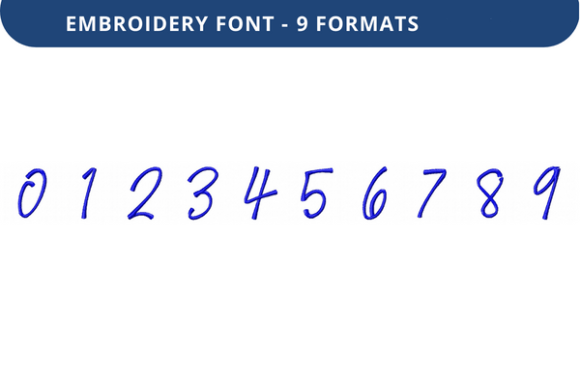
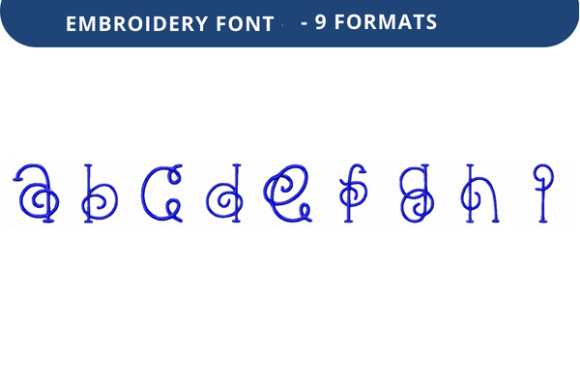
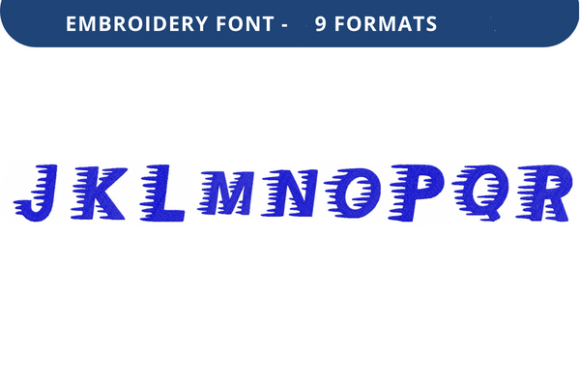
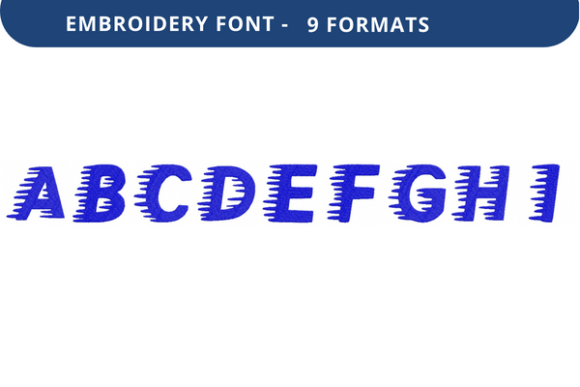
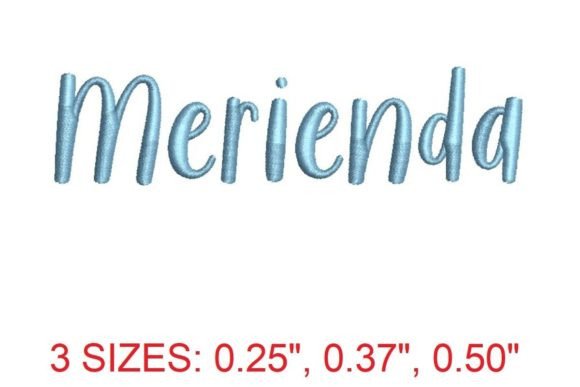
The Merienda Embroidery Font features intricate, flowing lines that give each letter a unique, almost hand-drawn appearance. This makes it perfect for adding a touch of personality to your embroidery projects. The font’s playful nature is ideal for creating custom apparel, such as embroidered tote bags or sweatshirts, where you want the design to stand out and bring a sense of fun.
Real-Life Embroidery Performance
Let’s consider a practical scenario: preparing a custom embroidered tote bag for a boutique. The Merienda Embroidery Font would be a fantastic choice for this project. Its detailed yet legible lettering would make the bag both visually appealing and functional. Here’s how it performs in different aspects:
- Stitch Clarity: The font’s intricate details require careful attention to stitch density. Test the design on scrap fabric to ensure the stitches are clear and not too dense, which could cause puckering.
- Fabric Texture: Merienda works beautifully on smooth fabrics like cotton or canvas. However, use caution with textured or stretchy fabrics, as the fine details might get lost or distorted.
- Hoop Size: While the font is versatile, smaller hoop sizes may limit the detail and legibility. Always check the recommended hoop size before starting your project.
- Thread Colors: The playful nature of Merienda allows for creative color choices. Use high-contrast thread colors to make the design pop, especially on darker fabrics.
Where to Use Merienda Embroidery Font Carefully
While Merienda is a delightful choice, there are some scenarios where it should be used with caution:
- Small Lettering: The intricate details of the font may not translate well in very small sizes. Avoid using it for tiny lettering, as the design might become illegible.
- Curved Surfaces: Embroidering on curved surfaces like caps or hats can be challenging. The font’s detailed corners and curves may need adjustments to fit properly.
- Dense Stitch Areas: Dense stitch areas can lead to puckering or fabric distortion. Use proper stabilizer and test the design on similar fabric before embroidering the final product.
- Wash Durability: For products that need frequent washing, such as baby clothes or kitchen towels, ensure the design is secure and won’t fray over time.
Enhancing Visual Appeal and Product Value
The Merienda Embroidery Font significantly enhances the visual appeal of any embroidered project. Its playful and charming aesthetic can make a simple tote bag or sweatshirt feel more special and personalized. This, in turn, adds value to the finished product, making it more attractive to customers and increasing its giftability.
Practical Designer Notes
Before incorporating Merienda into your embroidery projects, here are some practical tips:
- Test on Scrap Fabric: Always start by testing the design on scrap fabric to check for any issues with stitch clarity, density, and overall appearance.
- Check Thread Color Contrast: High-contrast thread colors will make the design stand out, especially on dark or patterned fabrics.
- Review Stitch Density: Adjust the stitch density if needed to prevent puckering and ensure the design looks clean and professional.
- Confirm Hoop Size: Make sure the hoop size is appropriate for the design, especially for detailed and intricate fonts like Merienda.
- Inspect Small Details: Pay close attention to small details, especially in smaller sizes, to ensure they are legible and well-defined.
- Test in Black and White: A black and white mockup can help you see how the design will look without color, which is useful for checking legibility and balance.
- Use Proper Stabilizer: The right stabilizer is crucial for maintaining the integrity of the design, especially on stretchy or thin fabrics.
- Check Licensing: Before using the Merienda Embroidery Font for commercial projects, confirm the licensing terms to ensure you have the right to sell the finished products.
In conclusion, the Merienda Embroidery Font is a delightful and charming addition to any embroidery designer’s toolkit. Its whimsical and playful nature makes it perfect for a wide range of projects, from custom apparel to personalized gifts. With careful consideration and testing, you can create stunning, high-quality embroidered products that your customers will love.